Navigating personal finance often means finding the right tools for the job. A personal loan is one of the most versatile options available today. It is essentially an amount of money you borrow and repay in regular, fixed installments over a set period.
While they are not a universal solution, personal loans can offer you flexible funding to cover large planned or unexpected costs. Understanding how personal loans work ensures you use this powerful tool wisely and confidently.
How Personal Loans Work
Personal loans are typically unsecured, which is a key advantage. This means you do not have to put up collateral, such as a car or house, to get the funds.
When you take out a loan, you agree to specific terms:
- Repayment term: This is the timeline for paying back the loan, usually ranging from one to five years.
- Interest rate: This is the cost of borrowing the money, which the lender charges as a percentage of the principal or amount you borrowed.
- Monthly payment: This is the fixed amount you pay each month, which covers both the principal and the interest.
It is important to note that some loans come with an origination fee, typically 0.5% to 8% of the loan amount. You can often find the best deal by maintaining strong credit and comparing offers from different lenders.
Smart Ways to Utilize a Personal Loan
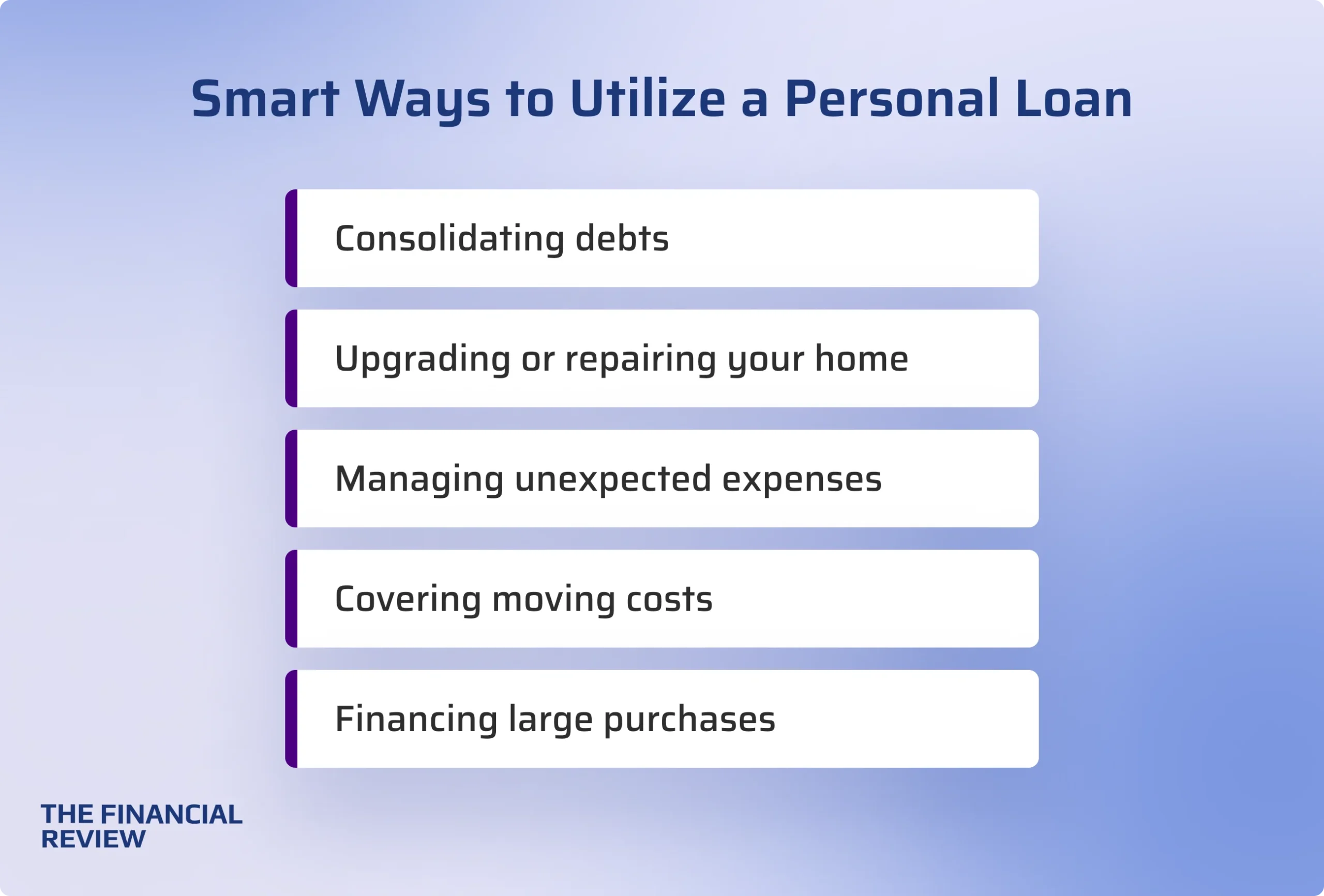
Because personal loans are so flexible, borrowers often use them for situations where they need a large amount of cash up front. Here are some of the most common and beneficial uses:
- Consolidating debts: This is often the most financially strategic use. By securing a personal loan with a lower interest rate, you can pay off multiple high-interest debts (such as credit card balances), simplify your monthly bills, and save a significant amount on interest.
- Upgrading or repairing your home: Whether you are remodeling a kitchen or fixing a leaky roof, a personal loan can provide the immediate funds you need for essential improvements or repairs.
- Managing unexpected expenses: When you are facing unanticipated costs — such as a major car repair or a medical expense — and your emergency fund is not quite enough, a personal loan can provide the necessary funds so you do not need to use your savings.
- Covering moving costs: Moving, especially long-distance, is expensive. A personal loan can cover the costs of movers, deposits, and initial setup, giving you financial breathing room during the transition.
- Financing large purchases: A personal loan allows you to pay for a new appliance, piece of furniture, or computer immediately and manage the cost through predictable monthly installments instead of using a high-interest credit card.
When to Look for an Alternative
While personal loans are versatile, there are three primary areas where lenders generally prohibit their use or where better financial tools exist:
| Use Case | Why It Is Restricted or Ill-Advised | Recommended Alternative |
|---|---|---|
| College Tuition and Student Debt | Most lenders prohibit using personal loans for university tuition or paying off existing student loans. | Federal or private student loans, which are specifically designed for educational financing. |
| Down Payments on a Home | Conventional and Federal Housing Administration mortgages often forbid using a personal loan as the source for your down payment. | Savings, gifts from family, or specific first-time buyer assistance programs. |
| Business Expenses | Many lenders restrict using personal loans to fund a business. | A Small Business Administration, or SBA, loan or other dedicated commercial financing structured for business capital needs. |
The Direct Link Between Credit and Cost
The key factor that impacts your loan application and determines how much the loan truly costs you is your credit score. Lenders assess your credit history and score to determine your interest rate. The better your score, the lower the interest rate and fees they will offer you.
To show the difference this makes, consider a $5,000 loan with a three-year repayment term:
- At a 5% interest rate, the total interest paid might be around $395.
- At a 25% interest rate, the total interest paid could soar to over $2,100.
That is a difference of over $1,700 just because of the offered rate. It pays to check your credit score and compare offers from multiple lenders before you formally apply.
The Bottom Line
A personal loan is an excellent financial tool for managing many of life’s largest expenses, particularly debt consolidation or unforeseen costs. Be a thoughtful borrower: Know your credit score, be clear on your intended use, and always shop around to find the lowest possible rate.
About the TFR Team
The TFR Team is a group of seasoned financial experts dedicated to delivering clear, insightful analysis and commentary on personal finance, investing, and market trends. With years of combined industry experience, the team brings trusted knowledge and practical perspectives to help readers make informed financial decisions.
Insights & Playbooks
The Financial Review - Fresh Insights Every Month
Expert reviews, step-by-step playbooks, and market explainers to help you make smarter money moves.