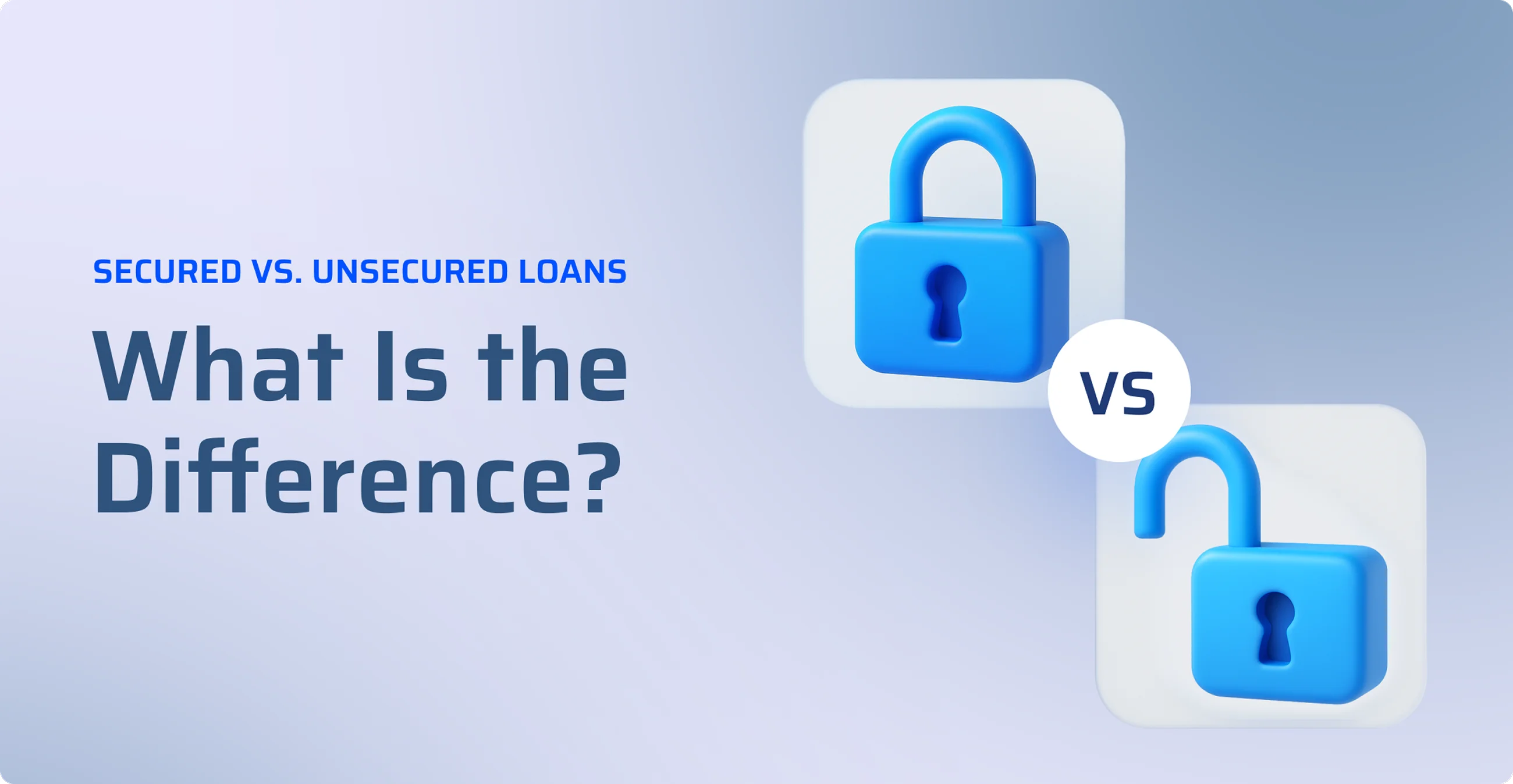
Getting a loan is a major financial decision, so understanding the two fundamental types — secured and unsecured — is essential. The difference between them comes down to a single term: collateral.
Let’s explore what collateral is and how it influences everything from the interest rate you pay to the level of risk you take on.
Secured Loans
When taking out a secured loan, you provide the lender with an asset — known as collateral — as security for the debt. This asset, which could be your car or house, guarantees the loan. If you are unable to repay the debt, the lender has the legal right to seize and sell that collateral to recover their lost funds.
Because the lender’s risk is significantly lower, they can often offer you better terms, including:
- Lower interest rates: The collateral acts as insurance for the lender, reducing your borrowing cost.
- Larger loan amounts: The value of the pledged asset often dictates the size of the loan you can receive.
- More accessible credit requirements: If your credit score is less than perfect, having collateral can help you secure approval.
Examples of secured loans include:
- Mortgages: The property you are purchasing acts as the collateral.
- Vehicle loans: The vehicle you are financing is the security for the loan.
- Home equity lines of credit: You use your home equity as collateral to secure the credit line.
Unsecured Loans
An unsecured loan is debt that does not require collateral. Since the lender has nothing to seize if you default, they are taking on a much greater risk. To manage this, they rely almost entirely on your financial history and stability.
Because of the higher level of risk, unsecured loans typically have:
- Higher interest rates: The higher risk for the lender translates into a higher cost for you.
- Strict credit requirements: You will generally need a good to excellent credit score to qualify.
While these loans don’t put a specific asset at immediate risk, missing payments can still lead to serious consequences. The lender can report the default to credit bureaus (severely damaging your credit profile) or even pursue legal action to obtain a court judgment, which could result in wage garnishments or liens against your property.
Examples of unsecured loans include:
- Credit cards: This is the most common form of unsecured credit.
- Personal loans: These loans provide versatile funds that you can use for debt consolidation, unexpected expenses, or home improvements.
- Student loans: These loans cover educational costs.
Which Loan Is Right for Your Financial Goal?
Choosing between secured and unsecured debt depends entirely on your financial situation, your goals, and your comfort level with risk. You need to weigh the trade-offs carefully.
| Feature | Secured loan | Unsecured loan |
|---|---|---|
| Primary risk | Losing your collateral (house, car, etc.). | Long-term damage to your credit profile. |
| Interest rate | Generally lower due to lower lender risk. | Generally higher due to higher lender risk. |
| Approval speed | Slower; often involves detailed applications and appraisals. | Generally quicker and easier. |
| Flexibility of funds | Low; funds are usually tied to the collateral (e.g., you must buy a car or house). | High; you can use the funds for almost any purpose. |
In short, you should choose a secured loan if you need a large amount of money for a specific purchase and want the lowest possible interest rate. Be certain you can meet the repayment schedule. An unsecured loan is more appropriate if you need fast cash for short-term needs, value flexibility, and have a strong credit profile that qualifies you for a manageable rate.
About the TFR Team
The TFR Team is a group of seasoned financial experts dedicated to delivering clear, insightful analysis and commentary on personal finance, investing, and market trends. With years of combined industry experience, the team brings trusted knowledge and practical perspectives to help readers make informed financial decisions.
Insights & Playbooks
The Financial Review - Fresh Insights Every Month
Expert reviews, step-by-step playbooks, and market explainers to help you make smarter money moves.