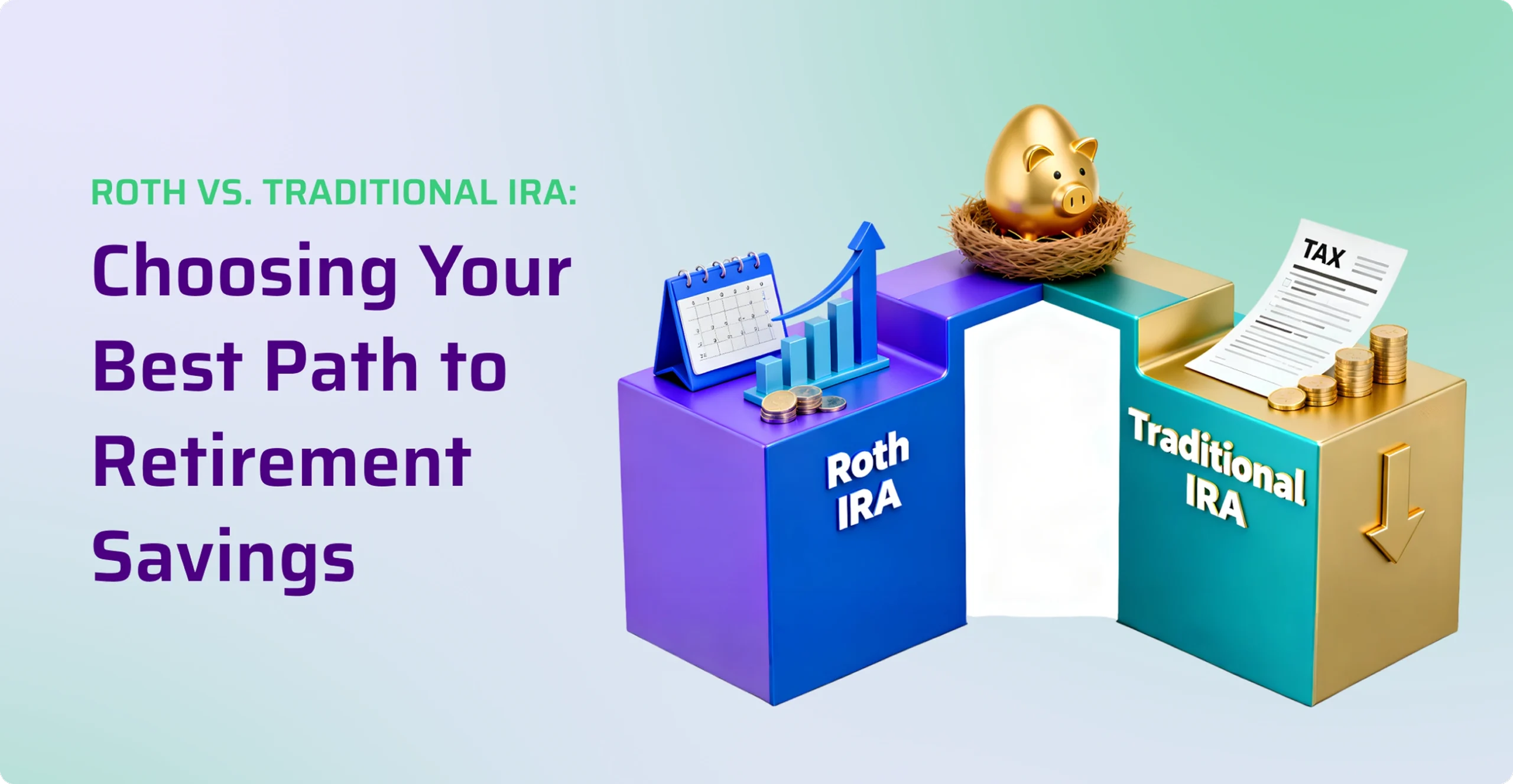
Choosing the right individual retirement account (IRA) is crucial for your financial future. Although both Roth and traditional IRAs are powerful tools designed to help you save, they offer tax advantages at fundamentally different times. Understanding this difference is key to choosing the account that best fits your long-term financial goals.
Your choice between a Roth and a traditional IRA essentially depends on when you prefer to pay income tax.
The Fundamental Difference: Tax Timing
The primary difference between these two accounts is how they manage taxation on your contributions and withdrawals. This distinction determines which one will save you the most money over your lifetime.
| Feature | Roth IRA — pay tax now | Traditional IRA — pay tax later |
|---|---|---|
| Tax benefit | Make tax-free withdrawals in retirement. | Make tax-deductible contributions now. |
| Withdrawals | Qualified withdrawals are tax-free. | Withdrawals are taxed as ordinary income. |
| Growth | This option offers tax-free investment growth. | This option offers tax-deferred investment growth. |
Understanding the Roth IRA — Tax-Free Income in Retirement
Individuals who expect to be in a higher tax bracket when they retire than they are today often prefer the Roth IRA. Here’s how it works:
- Contributions: You contribute money that you have already paid taxes on, known as after-tax dollars. This means you do not get a tax deduction in the current year.
- Withdrawals: The major benefit is that all your earnings and contributions can be withdrawn tax-free in retirement, provided you are over the age of 59½ and the account has been open for at least five years.
- Flexibility: The Roth IRA does not have required minimum distributions (RMDs) during the original owner’s lifetime. This means you can leave the invested money to grow indefinitely, offering greater estate planning flexibility.
A note on eligibility: Not everyone can contribute to a Roth IRA. Eligibility is subject to income limitations set by the IRS, which change annually.
Understanding the Traditional IRA — Tax Savings Today
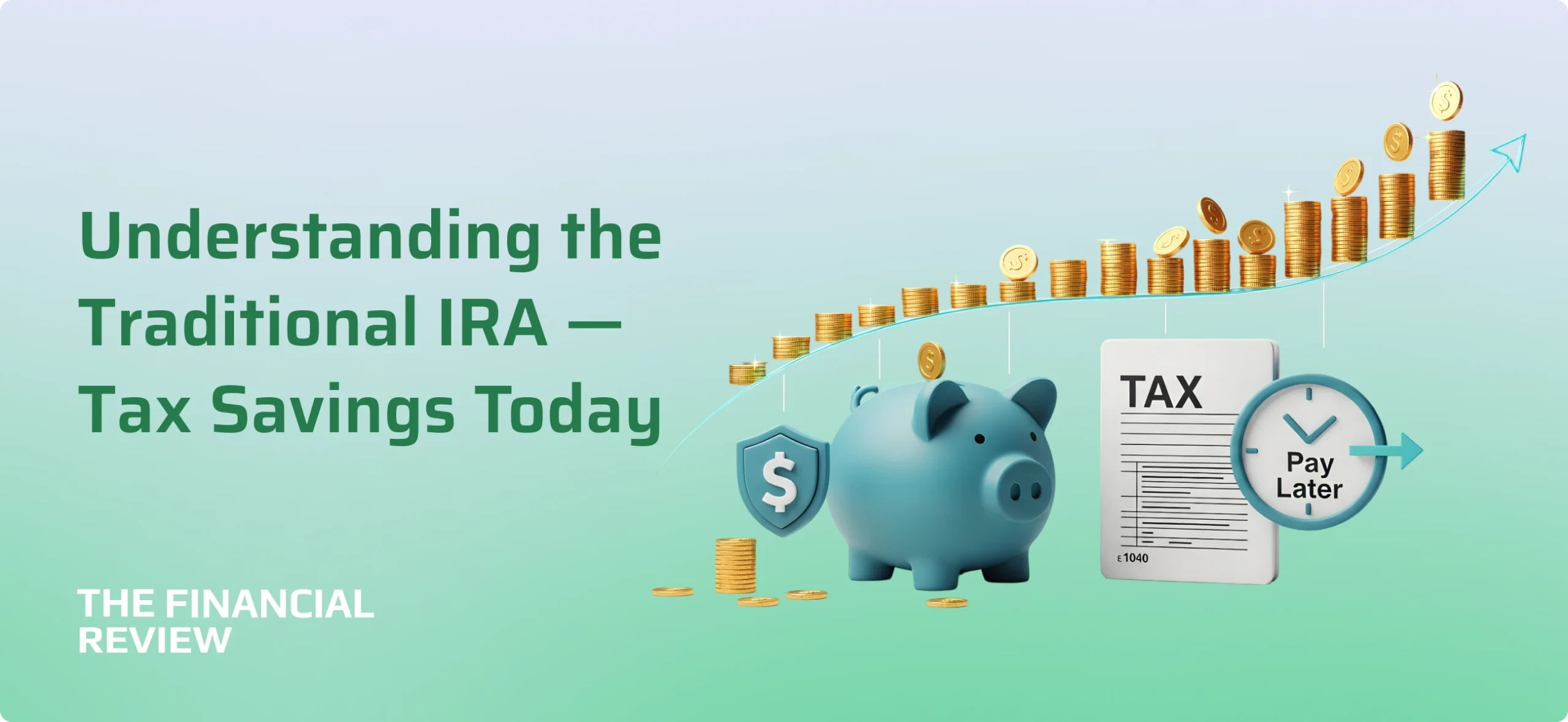
The traditional IRA is best if you believe that you’re in a higher tax bracket today than you’ll be in retirement. Here’s how it works:
- Contributions: You may be able to deduct your contributions from your current year’s taxable income, offering an immediate tax break. These contributions are often made with pretax dollars. However, the deductibility of the contributions may be limited if an employer-sponsored retirement plan covers you or your spouse.
- Withdrawals: Your money is subject to tax-deferred growth, meaning you don’t pay taxes on the proceeds until you withdraw the money. Withdrawals in retirement are taxed as regular income.
- Required distributions: Unlike Roth IRAs, traditional options require you to start taking RMDs at 73 years old, although this age may change depending on future legislation.
Key Rules for Contributions and Withdrawals
While the tax implications differ, these accounts share several important rules:
- Contribution limits: For 2025, the annual maximum contribution limit is the same for both accounts, set at $7,000, plus an additional $1,000 catch-up contribution if you are 50 or older. This limit applies to your combined contributions across all your traditional and Roth IRAs.
- Eligibility to contribute: Anyone with earned income can contribute to a traditional IRA. Roth IRAs phase out contributions once your income hits certain thresholds.
- Early withdrawals: Withdrawals before age 59½ typically incur a 10% federal tax penalty in addition to any potential income taxes. This applies to both traditional IRA withdrawals and Roth earnings.
Which IRA Should You Choose?
When deciding on your retirement account, you should consider whether you expect your income and tax rate to be higher now or later:
- Choose a Roth IRA if you are younger, earn less now than you expect to later, or if you simply prefer guaranteed tax-free income in retirement, regardless of future tax legislation.
- Choose a traditional IRA if you are currently in a high-earning period and want an immediate tax break to reduce your current taxable income.
Although you can also have both types of accounts, your total annual contributions must not exceed the combined limit. Consult with a qualified financial or tax professional to model your expected tax brackets and ensure your choice aligns with your overall wealth strategy.
About the TFR Team
The TFR Team is a group of seasoned financial experts dedicated to delivering clear, insightful analysis and commentary on personal finance, investing, and market trends. With years of combined industry experience, the team brings trusted knowledge and practical perspectives to help readers make informed financial decisions.


Insights & Playbooks
The Financial Review - Fresh Insights Every Month
Expert reviews, step-by-step playbooks, and market explainers to help you make smarter money moves.