
Many buyers settle for the first lender they speak to. But since the mortgage market is so diverse, offering everything from streamlined digital apps to specialized services for military families, comparing multiple types of lenders is a must if you want to secure the lowest interest rates and fees.
Types of Mortgage Lenders
The top mortgage providers can be grouped into three main categories, each offering distinct advantages.
Comparison marketplaces: Shopping for lenders the smart way
These platforms don’t lend money directly; instead, they connect you with a vast network of lenders who then compete for your business. Using a comparison marketplace can be a quick way to get an overview of what’s available.
| Provider type | Examples | Key advantage | Best for… |
|---|---|---|---|
| Marketplaces | Bankrate, LendingTree,OwnUp | View a range of personalized quotes simultaneously | Maximizing your options and forcing competition among lenders |
Direct online lenders: Speed and digital focus
These companies handle the entire mortgage process in-house, often using advanced technology for quick preapprovals and streamlined applications. They are an excellent option if you value efficiency and want to handle everything online.
| Provider type | Examples | Key advantage | Best for… |
|---|---|---|---|
| Online lenders | Rocket Mortgage, Quicken Loans, Sage Home Loans | In-depth expertise in specific loan products | Veterans and service members; first-time buyers needing down payment assistance |
Key Steps To Take Before You Apply
Before you send applications to any of these lenders, you need to understand your financial situation. A little prep work can save you time and help secure a better rate.
Know your credit score
Your credit score is a key factor in determining the interest rate you qualify for. A better score means a lower rate, which translates to significant savings over a 30-year term.
- Goal: Most conventional lenders look for a score of 620 or higher.
- Insight: If your score is low, take steps to improve it before applying, as even a small rate reduction can be costly over time.
Set a realistic budget
Lenders will tell you what you qualify for, but you should know what you can comfortably afford.
- Goal: Aim to keep your total monthly housing costs (principal, interest, taxes, insurance, and fees) to no more than 28% of your gross monthly income.
- Insight: Build a detailed personal budget first, considering all your existing debt and savings goals.
Plan your down payment strategy
The amount of cash you put down impacts both your loan amount and whether you pay extra fees.
- Goal: Aim to follow the 20% rule. Putting down 20% on a conventional mortgage allows you to avoid —a monthly fee that protects the lender.
- Insight: The median down payment for first-time buyers is much lower than 20%. Don’t be discouraged; many specialized lenders offer programs with low or zero down payments, often targeted at first-time buyers.
Your Best Strategy
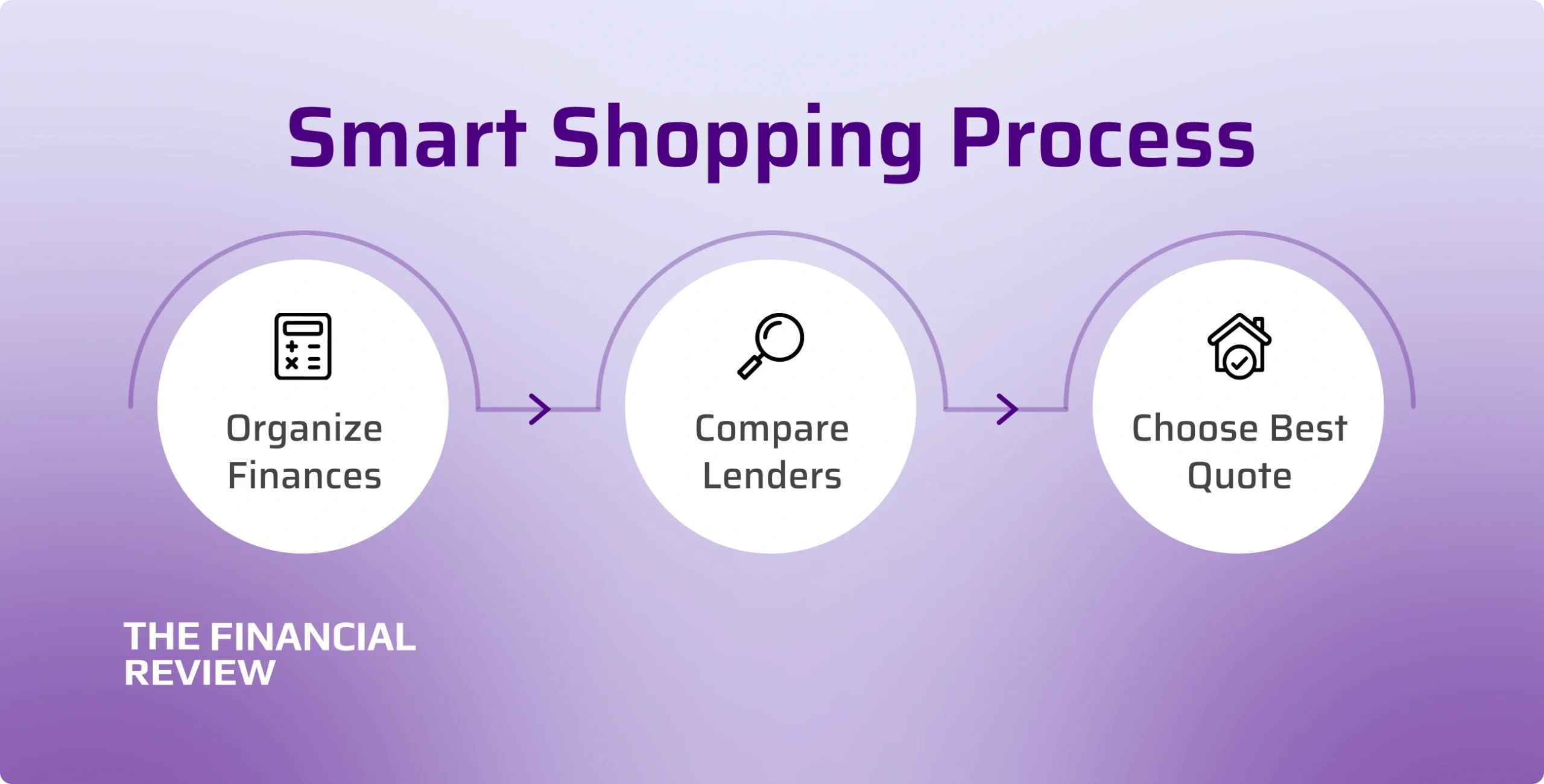
Finding the best mortgage requires preparation and savvy shopping. By getting your finances in order first, you become a more desirable borrower. You can then use the comparison marketplaces to shop for lenders and follow up with those that meet your needs. Compare at least three quotes to ensure you get the most favorable terms available.
About the TFR Team
The TFR Team is a group of seasoned financial experts dedicated to delivering clear, insightful analysis and commentary on personal finance, investing, and market trends. With years of combined industry experience, the team brings trusted knowledge and practical perspectives to help readers make informed financial decisions.

Insights & Playbooks
The Financial Review - Fresh Insights Every Month
Expert reviews, step-by-step playbooks, and market explainers to help you make smarter money moves.